When shopping for printer supplies, labels like standard, XL, or XXL often cause confusion. The XL label on ink cartridges does not describe the physical size of the cartridge—it refers to its ink capacity. Understanding what XL means helps users choose cartridges that last longer, reduce printing interruptions, and lower overall printing costs, especially for home offices and frequent printing environments.

What “XL” Means on Printer Ink Cartridges
On printer ink cartridges, XL stands for “extra-large capacity.” An XL cartridge contains more ink than a standard cartridge while maintaining the same shape, size, and compatibility.
Manufacturers design XL cartridges to fit the same printers as standard versions. The extra capacity comes from additional ink inside the cartridge, not a larger exterior. This allows users to print more pages without changing cartridges more often.
Because the cartridge shell remains unchanged, printers recognize XL cartridges automatically when they are installed, making them a simple upgrade for users who print regularly.

What “XL” Means on Printer Ink Cartridges
Difference Between Standard and XL Ink Cartridges
The key difference between standard and XL cartridges is page yield, which directly affects cost efficiency.
Standard cartridges are intended for occasional printing and contain less ink. XL cartridges contain significantly more ink and are designed for users with higher print volumes. For example, a standard cartridge might print around 120 pages, while its XL counterpart can print approximately 240 pages under the same conditions.
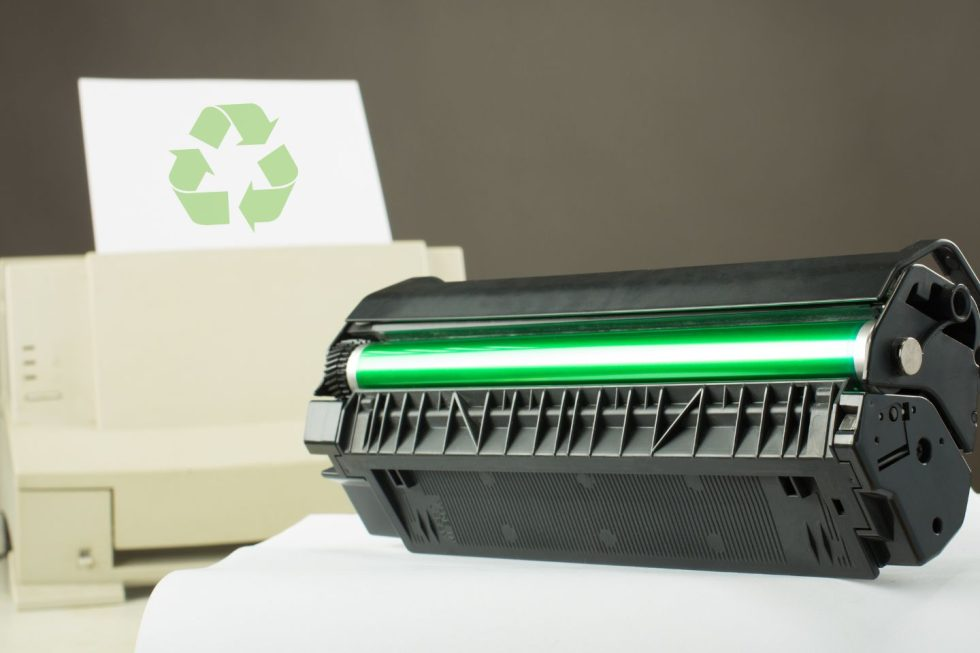
This difference mirrors the contrast between standard-yield toner cartridges, such as HP 410A cyan, magenta, and yellow standard-yield toner cartridges,
and high-yield options that reduce replacement frequency. Although XL cartridges cost more upfront, they usually deliver a lower cost per page and greater convenience.
How XL Ink Cartridges Work
XL cartridges operate exactly like standard cartridges. They use the same ink formulation, print technology, and cartridge chips.
The printer identifies the cartridge model via the chip, not the amount of ink inside. Once installed, the printer tracks usage until the larger ink supply is depleted. Page yield estimates are based on standardized testing methods, often using ISO print coverage standards to ensure fair comparisons.
Print quality remains identical between standard and XL cartridges. The only difference is how long the cartridge lasts before replacement is required.

How XL Ink Cartridges Work
Benefits of Using XL Ink Cartridges
Higher Page Yield per Cartridge
XL cartridges can print up to 2–3 times more pages than standard versions, depending on the model and usage.
Better Cost Efficiency (Lower Cost per Page)
While XL cartridges cost more initially, the cost per printed page is usually lower, saving money over time.
Fewer Replacements, Less Waste
Printing more pages per cartridge means fewer cartridge changes and reduced plastic waste.
Ideal for Home Offices and Frequent Printing
Users who print weekly, work from home, or manage small offices benefit most from XL cartridges.
These advantages make XL cartridges a practical upgrade for consistent printing needs.
Are XL Cartridges Compatible with All Printers?
XL cartridges are compatible with the same printer models as their standard counterparts. If a printer supports a standard cartridge, it also supports the XL version of that cartridge.
Occasionally, a printer may request confirmation or a firmware update, but functionality remains unchanged. Major manufacturers such as HP, Canon, and Epson design XL cartridges specifically for seamless compatibility.
|
Brand |
Standard Model |
XL Version |
Approx. Page Yield |
|
HP |
HP 67 |
HP 67XL |
~240 pages |
|
Canon |
PG-245 |
PG-245XL |
~300 pages |
|
Epson |
212 |
212XL |
~350 pages |
This consistency allows users to switch to XL cartridges without changing printers.
Are XL Ink Cartridges Worth It?
For most regular printers, XL cartridges are worth the investment. Although the upfront price is higher, the cost per page is usually lower.
For instance, a standard cartridge priced at $18 printing 120 pages costs about 15 cents per page. An XL cartridge priced at $30 printing 240 pages costs roughly 12.5 cents per page. Over months of regular printing, this difference adds up.
The same value principle applies to high-yield toner cartridges, such as HP 202X black high-yield toner cartridges, which are designed for users who want fewer replacements and better long-term value.

Are XL Ink Cartridges Worth It?
How to Choose Between Standard, XL, and XXL Cartridges
Your ideal cartridge depends on your print frequency, color usage, and cost-per-page goals.
Choose standard cartridges if you print occasionally or want the lowest upfront cost.
Choose XL cartridges if you print weekly or rely heavily on color documents.
Choose XXL cartridges when available if you print high volumes or manage business-level workloads.
Selecting the right capacity ensures efficient spending and fewer interruptions.
Eco & Practical Advantages of XL Cartridges
XL cartridges contribute to sustainability by reducing cartridge consumption. Fewer replacements mean less plastic waste, reduced packaging, and fewer shipments.
This efficiency aligns with Deal Just Deal’s focus on practical, cost-effective printing solutions that balance performance with environmental responsibility.
Summary — XL Means Extra Value and Extra Efficiency
On ink cartridges, XL means extra-large ink capacity, not a larger physical size. XL cartridges fit the same printers as standard versions while offering higher page yield, lower cost per page, and fewer replacements. For regular or business printing, XL cartridges deliver clear advantages in value, convenience, and efficiency.
FAQs About XL Ink Cartridges
Are XL ink cartridges physically larger?
No. They are the same size as standard cartridges but hold more ink.
Do XL cartridges last longer than standard ones?
Yes. They print significantly more pages before running out.
Can I use an XL cartridge in any printer?
Only in printers that support that specific cartridge model.
What’s the difference between XL and XXL?
XXL cartridges offer even higher capacity than XL, where available.
Are XL cartridges better for the environment?
Yes. Fewer replacements reduce plastic waste and packaging.