Printer ink is a common household and office material, yet many people worry about its safety—especially when children, pets, or accidental exposure are involved. Questions like “Is printer ink toxic?” or “What happens if someone swallows printer ink?” are valid and important. While printer ink is designed for everyday consumer use, it is still a chemical product that requires proper handling. Understanding its toxicity, exposure risks, and correct response steps helps prevent unnecessary panic and ensures safer printer use.

Is Printer Ink Toxic or Poisonous? (Direct Answer)
Printer ink is not classified as highly toxic or deadly, but it is not safe for ingestion and should not be considered harmless.
Toxicity refers to a substance’s ability to cause harm to the body, while a poisonous substance causes serious injury or death in small amounts. Printer ink generally falls into the low-toxicity category. Small, accidental exposure—such as ink on skin or a tiny amount swallowed—usually does not cause severe harm in healthy adults.
However, significant ingestion, repeated exposure, or exposure involving children, pets, or sensitive individuals can lead to medical symptoms and requires prompt action. The level of risk depends on the amount, exposure route, and individual health factors.

Is Printer Ink Toxic or Poisonous? (Direct Answer)
What Is Printer Ink Made Of?
Printer ink is a chemical mixture designed for stable, high-quality printing rather than human contact. Most inkjet inks contain:
-
Water-based solvents that allow ink to flow smoothly
-
Pigments or dyes that provide color
-
Preservatives to prevent microbial growth
-
Surfactants to control surface tension and spread
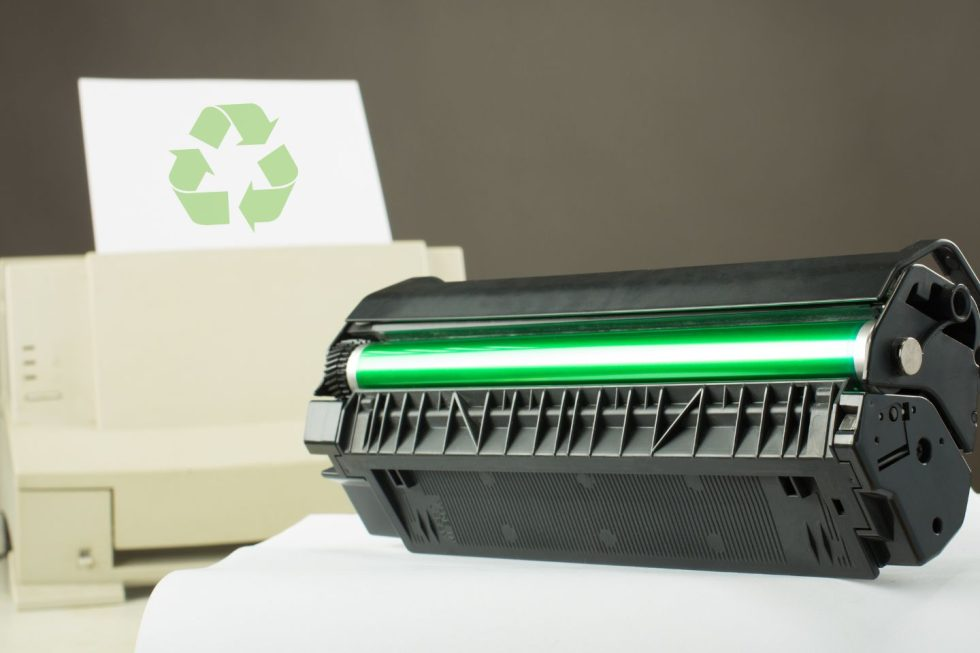
Inkjet ink is typically liquid and water-based, which keeps toxicity relatively low. In contrast, laser toner is a fine, dry powder made from plastic polymers, carbon black, and metal-based additives. This difference in composition explains why toner presents different safety concerns than liquid ink.
The formulation affects how ink behaves when swallowed, inhaled, or in contact with skin.
Is Printer Ink Toxic to Humans?
Skin Contact
Printer ink on skin commonly causes staining and, in some cases, mild irritation. Ink is not absorbed systemically through intact skin, meaning it does not typically enter the bloodstream. Washing with soap and water is usually sufficient.
Eye Contact
Ink splashed into the eyes can cause irritation, redness, and tearing. Eyes should be flushed with clean water for at least 15 minutes. Persistent pain or vision changes require medical evaluation.
Ingestion (Adults and Children)
Small accidental ingestion—such as touching ink-stained fingers to the mouth—has low toxicity. Larger amounts may cause stomach upset, nausea, or vomiting. Children are more vulnerable due to lower body weight and should be monitored closely.
Inhalation (Ink vs Toner)
Liquid ink poses minimal inhalation risk. Toner powder, however, can irritate the respiratory tract if inhaled, especially during cartridge spills or improper handling.

Is Printer Ink Toxic to Humans?
Is Printer Ink Poisonous If Swallowed?
Printer ink is not considered a lethal poison, but swallowing it is unsafe.
Symptoms depend on the quantity ingested, age, and health status of the person. Typical symptoms include nausea, vomiting, stomach discomfort, or mild diarrhea. Serious poisoning is rare but possible with large amounts or prolonged exposure.
Because symptoms may be delayed, ingestion should never be ignored—especially in children or pets.
What to Do If Printer Ink Is Ingested
The following steps outline the medically recommended response to printer ink ingestion.
Step 1 — Do Not Induce Vomiting
Vomiting can cause further irritation or aspiration into the lungs.
Step 2 — Rinse Mouth With Water
Gently rinse to remove residual ink from the mouth.
Step 3 — Drink Water or Milk (If Conscious)
Fluids help dilute the substance in the stomach. Do not force liquids.
Step 4 — Contact Poison Control Immediately
Poison Control can provide case-specific guidance. This is especially critical if a child, pet, or large quantity is involved.
Seek emergency help immediately if symptoms worsen, such as severe vomiting, confusion, or breathing difficulty.

What to Do If Printer Ink Is Ingested
Is Printer Ink Toxic to Pets?
Printer ink poses a higher risk to pets than to humans due to their smaller size. Dogs and cats may chew ink cartridges, leading to ingestion of ink and plastic components.
Even small amounts can cause vomiting or gastrointestinal distress in pets. Immediate veterinary consultation is strongly advised if a pet is exposed to printer ink or toner.
Printer Ink vs Toner Toxicity
|
Attribute |
Inkjet Ink |
Laser Toner |
|
Physical form |
Liquid |
Fine powder |
|
Inhalation risk |
Low |
Moderate |
|
Ingestion risk |
Low–moderate |
Moderate |
|
Main concern |
Irritation |
Respiratory exposure |
Toner generally presents higher inhalation and ingestion risks than liquid ink, particularly during spills.
Safety Tips for Handling Printer Ink
Safe handling greatly reduces exposure risk.
-
Keep cartridges out of reach of children and pets
-
Wear gloves when refilling or replacing cartridges
-
Avoid puncturing or crushing cartridges
-
Clean spills promptly using damp cloths
-
Dispose of damaged cartridges properly
Deal Just Deal Product Safety Statement
All printer cartridges sold by Deal Just Deal are consumer-grade products manufactured to meet international safety and chemical compliance standards. When used as intended, Deal Just Deal’s ink and toner cartridges are non-toxic under normal consumer use, meaning they are not classified as hazardous or poisonous by regulatory standards.
Using well-sealed, professionally manufactured cartridges reduces accidental leaks. For example, standard-yield color toner cartridges like HP 414A cyan, magenta, and yellow toner cartridge pack are designed to minimize exposure during normal installation.
Similarly, high-yield toner sets such as HP 206X high-yield toner cartridge pack
and the HP 210X black high-yield toner cartridge pack offers sealed construction that supports safer handling when used as intended.
These products are designed to minimize leakage, exposure, and handling risk when installed and stored correctly. However, they are not intended for ingestion, and safety guidelines should always be followed.
When to Seek Medical Help
Medical attention is required if exposure leads to persistent vomiting, eye pain, breathing issues, or involves infants, pets, or large quantities. When in doubt, professional evaluation is always safer than waiting.
Summary — Printer Ink Is Low-Toxic but Not Harmless
Printer ink is low in toxicity but not safe to ingest. Small accidental exposure usually causes mild irritation, but larger ingestion or exposure involving children and pets requires immediate action. Understanding ink composition, exposure routes, and first-aid steps ensures safer printer use and peace of mind.
FAQs About Printer Ink Toxicity
Is printer ink toxic if it gets on your skin?
No. It may stain or mildly irritate but is not systemically toxic.
Can printer ink make you sick?
Yes, if ingested in larger amounts, it can cause stomach upset.
Is dried printer ink dangerous?
Dried ink poses minimal risk but should still be kept away from children.
Is printer toner more toxic than ink?
Toner carries higher inhalation risk due to fine particles.
What should I do if my child eats printer ink?
Rinse their mouth and contact Poison Control immediately.