Getting printer ink on clothes can feel like a worst-case scenario, especially when the stain spreads quickly and darkens within seconds. Printer ink is engineered to bond permanently to surfaces, which makes fabric stains particularly stubborn. The good news is that most printer ink stains are removable if treated correctly and early. By understanding why ink clings to fabric and choosing the right cleaning method, you can restore your clothes and prevent permanent damage.
Ink stains often happen during cartridge replacement or maintenance, especially when handling high-yield toner cartridges used in home and office printers, such as Canon 067H high-yield toner cartridge combo pack, where accidental contact or powder transfer can occur if protective steps are skipped.

Why Printer Ink Stains Are Tough to Remove
Printer ink stains are difficult to remove because of their chemical structure and the way fabrics absorb liquids and particles. Most printer inks contain pigments, resins, and oil- or solvent-based carriers that help ink bind firmly to paper.
When ink touches fabric, pigments seep deep into fibers. Natural fabrics like cotton absorb ink quickly, while resins lock the color in place as it dries. This bonding process happens fast, which is why untreated stains become more difficult over time.
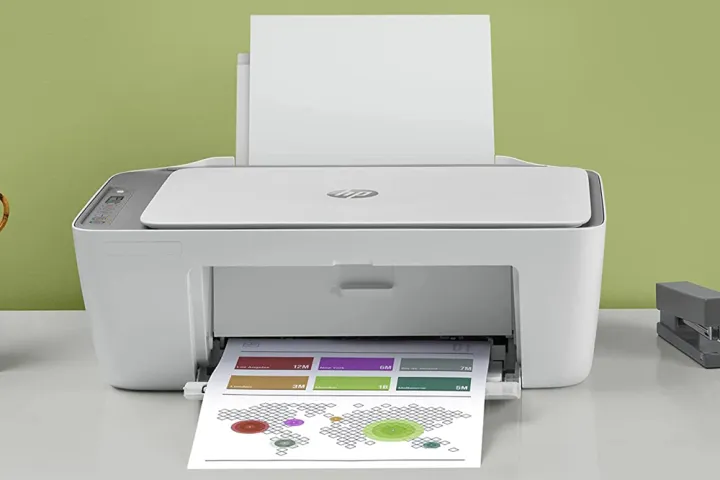
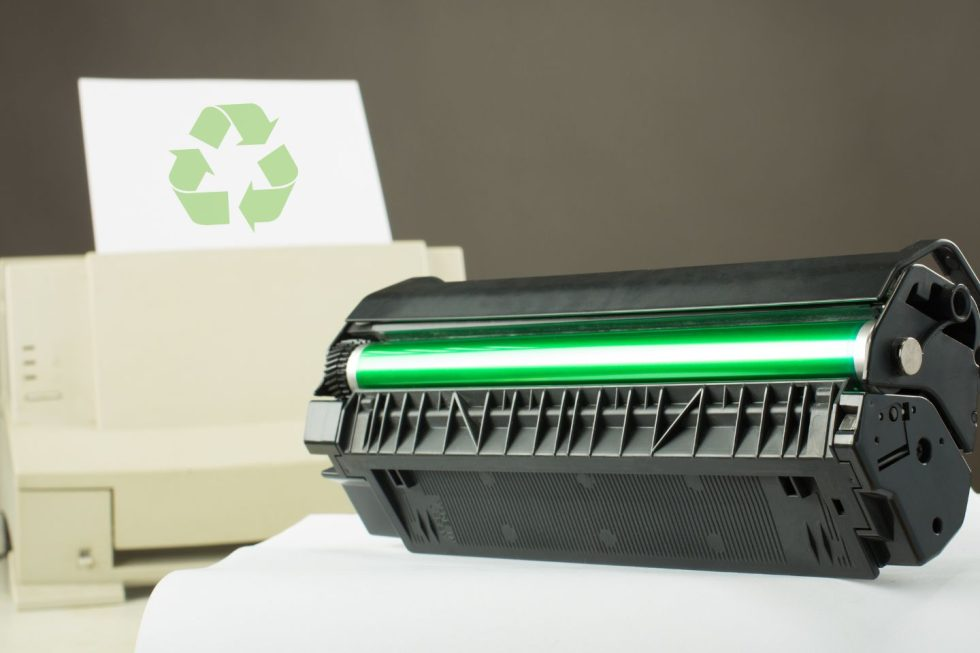
Inkjet ink and toner behave differently. Inkjet ink is liquid and spreads through fabric fibers almost immediately. Toner, used in laser printers, is a fine powder that embeds into fabric and melts when exposed to heat. Toner stains are common during handling of multi-color toner sets, such as the Canon 069H toner cartridge set, and become extremely difficult to remove once heat is applied.
Understanding the ink type is essential before choosing a treatment method.

Why Printer Ink Stains Are Tough to Remove
Quick First Steps Before Treating Printer Ink Stains
Before using any cleaning method, follow these immediate steps to prevent permanent stains.
Act quickly. As soon as ink contacts fabric, blot the stain gently with a paper towel or clean cloth. Blotting absorbs excess ink without pushing it deeper into the fibers. Rubbing should be avoided because it spreads pigment.
Avoid heat completely. Hot water, dryers, or irons will permanently set ink stains by bonding pigments to fabric fibers. Cold water is always the safest option.
Identify the fabric type and check colorfastness. Delicate fabrics and dark dyes may react differently to solvents, so testing on an inconspicuous area is critical.
These steps create the foundation for successful stain removal.
How To Remove Printer Ink From Clothes (Step-by-Step)
Removing printer ink requires patience and a controlled approach. The following steps work for most washable fabrics.
Step 1 — Blot the Stain with Paper Towel
Blot gently to absorb as much ink as possible. This reduces the amount of pigment that must be lifted later.
Step 2 — Apply Rubbing Alcohol or Hand Sanitizer
Rubbing alcohol breaks down ink pigments and resins. Dab a small amount onto the stain using a cotton ball, working from the outside inward. Hand sanitizer works as an alternative due to its alcohol content.
Step 3 — Rinse with Cold Water and Mild Detergent
Rinse thoroughly with cold water, then apply a mild laundry detergent. Gently massage the detergent into the fabric to loosen remaining ink.
Step 4 — Launder Normally and Air Dry
Wash the garment according to the care label using cold water. Always air dry and inspect the stain before using a dryer. Do not dry until the stain is completely gone.
For especially stubborn stains, diluted vinegar or ammonia may be used cautiously on appropriate fabrics.

How To Remove Printer Ink From Clothes (Step-by-Step)
Best Methods to Get Printer Ink Out of Fabric
Here’s a comparison of common household and commercial methods to remove printer ink stains safely.
|
Method |
Key Ingredient |
Works On |
Effectiveness |
Safety |
|
Rubbing Alcohol |
Isopropyl alcohol |
Cotton |
★★★★★ |
Moderate |
|
Vinegar & Baking Soda |
Natural acids |
Most fabrics |
★★★★☆ |
Safe |
|
Dish Detergent |
Surfactants |
Synthetic blends |
★★★☆☆ |
Safe |
|
Ammonia Solution |
Alkaline cleaner |
White cotton only |
★★★★☆ |
Caution |
|
Commercial Ink Remover |
Enzyme-based |
Most fabrics |
★★★★★ |
Safe if tested |
Choosing the right method depends on fabric type, stain age, and available supplies.
How To Remove Printer Ink From Cotton vs Polyester
Different fabrics respond differently to cleaning techniques.
Cotton and Linen
Natural fibers absorb ink deeply. Rubbing alcohol or detergent works best when blotted gently from the inside of the garment outward.
Polyester and Blends
Synthetic fibers repel liquids but can trap pigment on the surface. Diluted vinegar or mild detergent works well, while strong solvents should be avoided.
Delicate Fabrics
Silk, wool, and rayon require extra care. Mild dish soap and cold water are safest, and professional cleaning is often recommended.
Knowing the fabric type prevents accidental damage during stain removal.

How To Remove Printer Ink From Cotton vs Polyester
Natural & Eco-Friendly Ink Removal Solutions
Natural solutions offer gentler alternatives for sensitive skin and eco-conscious households. Lemon juice and vinegar contain mild acids that help break down ink pigments. Baking soda paste provides gentle abrasion that lifts stains without harming fibers.
These methods work more slowly than alcohol but are safer for colored fabrics and repeated use.
What Not To Do When Removing Ink Stains
Some mistakes can permanently set stains. Aggressive rubbing spreads pigment and damages fibers. Applying heat before full stain removal locks ink into fabric. Mixing chemicals such as bleach with ammonia or alcohol creates dangerous fumes and should never be done.
A slow, controlled approach is always safer than harsh shortcuts.
Preventing Ink Stains on Clothes
Prevention is the easiest way to avoid ink-stained clothing.
Handle cartridges carefully during refills or replacements. Wearing gloves or old clothing during printer maintenance protects fabrics. Storing printers on stable, protected surfaces reduces tipping or leaking accidents. Using reliable, well-sealed toner cartridges—such as high-yield color toner packs for HP printers, including the HP 201X cyan, magenta, and yellow toner cartridge pack - also helps minimize leaks and spills during installation.
These habits save time and protect clothing in the long run.
When To Seek Professional Cleaning Help
Professional cleaning is recommended for large stains, delicate materials, or garments labeled dry-clean only. Dry cleaners use specialized solvents, such as tetrachloroethylene, that dissolve ink safely without damaging fabric structure.
Seeking expert help early increases the chance of complete stain removal.
Summary — Clean Clothes, Stress-Free Printing
Printer ink stains are challenging but rarely permanent. Acting quickly, identifying fabric type, and using the correct removal method are the keys to success. With careful treatment and smart prevention habits, ink accidents become manageable, keeping clothes clean and printing stress-free.
FAQs
Does printer ink wash out completely?
Yes, if treated quickly and correctly. Dried stains are harder but often removable.
Can vinegar remove printer ink from fabric?
Vinegar helps break down pigments, especially on synthetic or colored fabrics.
What removes dried ink stains?
Rubbing alcohol or commercial ink removers are most effective on dried stains.
Can I use nail polish remover on clothes?
Acetone may work but can damage fabrics. Always test first.
Is printer ink permanent on polyester?
No, but prompt treatment with gentle solutions is essential.