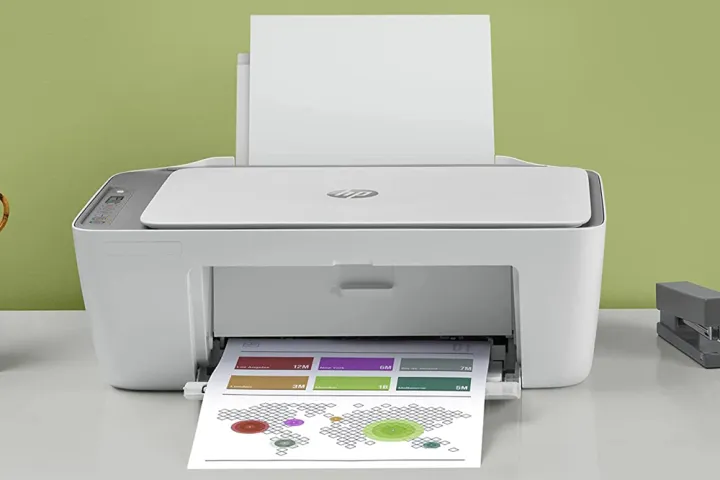
When it comes to replacing ink cartridges for your printer, you're faced with an important decision: should you purchase original equipment manufacturer (OEM) cartridges or opt for compatible alternatives? This choice can significantly impact your printing costs, print quality, and overall printing experience. Understanding the differences between these two options is essential for making an informed decision that best suits your needs and budget.
What Are Original Ink Cartridges?
Original ink cartridges, also known as OEM (Original Equipment Manufacturer) cartridges, are produced by the same company that manufactured your printer. For example, if you own an HP printer, HP-branded cartridges are the original cartridges. If you have an Epson printer, Epson cartridges are the originals. These cartridges are specifically designed and engineered for particular printer models, ensuring seamless compatibility and optimal performance.
Original cartridges undergo rigorous testing and quality control processes by the manufacturer. They're developed using proprietary ink formulations and technologies that are specifically calibrated to work with the printer's hardware and software systems. When you purchase an OEM cartridge, you're essentially buying a product that has been designed from the ground up to integrate perfectly with your specific printer model.
What Are Compatible Ink Cartridges?
Compatible ink cartridges, often referred to as third-party or aftermarket cartridges, are manufactured by companies other than the printer manufacturer. These cartridges are designed to function as replacements for original cartridges and are built to meet or exceed the same specifications as their OEM counterparts. It's important to note that compatible cartridges are not the same as refilled or remanufactured cartridges, although these terms are sometimes confused.
Compatible cartridges are brand new products manufactured from scratch by third-party companies. These manufacturers reverse-engineer the original cartridge designs to create products that fit and function in the same printers. While they may look different from the outside, they're designed to deliver similar performance at a fraction of the cost of original cartridges.
Price Differences: The Most Obvious Distinction
Perhaps the most significant and immediately noticeable difference between original and compatible ink cartridges is the price. Original cartridges typically cost two to three times more than compatible alternatives, and in some cases, the price difference can be even more substantial.
For example, a set of original color cartridges for a popular home printer might cost anywhere from $60 to $100, while compatible versions of the same cartridges could be purchased for $20 to $40. This dramatic price difference is one of the primary reasons why many consumers consider switching to compatible cartridges, especially if they print frequently or in high volumes.
The price gap exists for several reasons. Printer manufacturers often sell their printers at low profit margins or even at a loss, expecting to recoup their investment through cartridge sales over the printer's lifetime. This business model, sometimes referred to as the "razor and blades" strategy, means that OEM cartridges are priced at a premium. Compatible cartridge manufacturers, on the other hand, don't need to subsidize printer costs and can focus solely on producing affordable replacement cartridges.
Quality and Performance Considerations
When it comes to print quality, original cartridges generally have a slight edge, particularly for specialized printing tasks. OEM cartridges use proprietary ink formulations that have been specifically developed and tested for optimal color accuracy, longevity, and consistency. If you're printing professional photographs, marketing materials, or documents that require precise color reproduction, original cartridges often deliver superior results.
However, the quality gap has narrowed considerably in recent years. Many reputable compatible cartridge manufacturers now produce high-quality products that deliver excellent print results for everyday use. For standard document printing, emails, reports, and casual photo printing, most users would be hard-pressed to notice a significant difference between prints produced with original versus quality compatible cartridges.
The page yield—the number of pages you can print with a single cartridge—can vary between original and compatible options. Original cartridges typically deliver the page yield promised by the manufacturer, which has been tested under standardized conditions. Compatible cartridges may offer similar yields, though this can vary depending on the manufacturer's quality standards. Some high-quality compatible cartridges even exceed the page yield of their OEM counterparts.
Warranty and Support Implications
One critical consideration when choosing between original and compatible cartridges is the potential impact on your printer's warranty. Many printer manufacturers state in their warranty terms that using third-party cartridges could void the warranty. However, it's important to understand the actual legal standing of such claims.
In the United States, the Magnuson-Moss Warranty Act generally protects consumers' rights to use aftermarket parts without automatically voiding warranties. This means that a printer manufacturer typically cannot void your entire warranty simply because you used compatible cartridges. However, if a compatible cartridge directly causes damage to your printer, that specific damage may not be covered under warranty.
In practice, if your printer develops an unrelated issue while using compatible cartridges, the manufacturer is still obligated to honor the warranty for that issue. That said, if you're concerned about warranty coverage or if your printer is still within its warranty period, you may want to use original cartridges to avoid any potential disputes.
Customer support is another area where original cartridges have an advantage. If you experience any issues with an OEM cartridge or have questions about your printer's performance, the manufacturer's customer support team is typically more helpful and responsive when you're using their products.
Reliability and Consistency
Original cartridges benefit from rigorous quality control processes and consistent manufacturing standards. When you purchase an OEM cartridge, you can generally expect reliable performance and minimal defect rates. The chips and electronic components integrated into original cartridges are also designed to communicate seamlessly with your printer's firmware, reducing the likelihood of error messages or compatibility issues.
Compatible cartridges can vary more widely in terms of reliability and consistency, depending on the manufacturer. Reputable third-party brands invest heavily in quality control and testing, offering products that rival OEM reliability. However, cheaper, lower-quality compatible cartridges may be more prone to issues such as leaking, poor chip recognition, or inconsistent ink flow.
This variability means that when choosing compatible cartridges, it's crucial to purchase from established, reputable manufacturers with positive customer reviews and solid return policies. Buying the cheapest compatible cartridge available can sometimes lead to frustration and wasted money if the product fails prematurely.
Environmental Considerations
The environmental impact of ink cartridges is an important consideration for environmentally conscious consumers. Both original and compatible cartridge options have environmental implications.
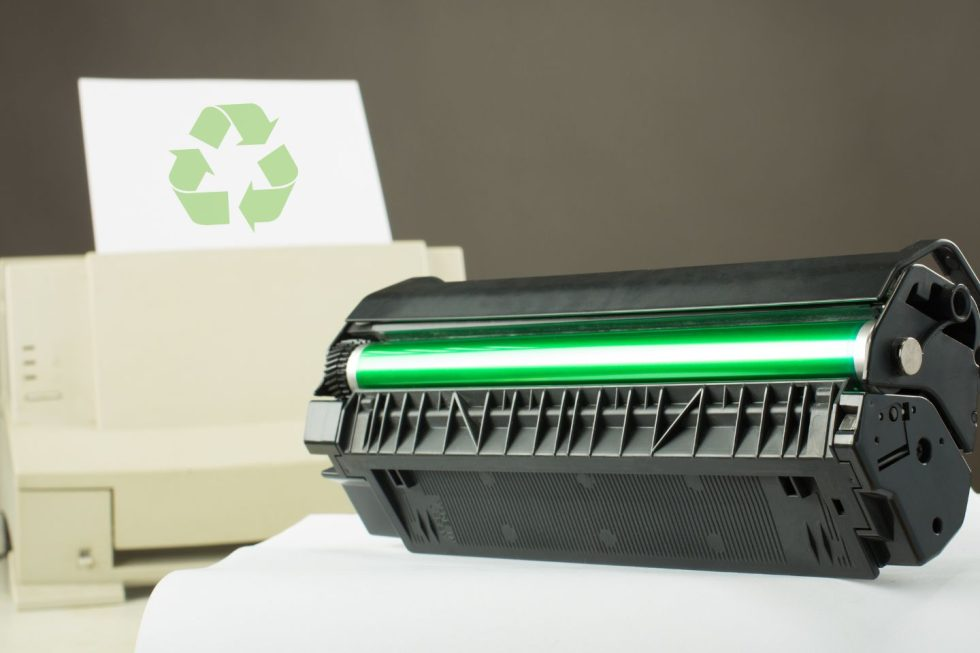
Many printer manufacturers have established recycling programs for their original cartridges, making it easier for consumers to dispose of used cartridges responsibly. These programs often include prepaid shipping labels or drop-off locations. Some manufacturers have also made strides in using recycled plastics and reducing packaging waste.
Compatible cartridge manufacturers vary in their environmental commitments. Some third-party companies have implemented their own recycling programs and use eco-friendly materials in their products. However, others may not have robust environmental initiatives in place.
It's worth noting that by extending the usable life of printers through affordable cartridge options, compatible cartridges may indirectly benefit the environment by reducing electronic waste. When cartridge costs are prohibitively expensive, consumers are more likely to replace their entire printer rather than continue purchasing replacement cartridges.
Who Should Use Original Cartridges?
Original cartridges are the best choice for:
-
Professional photographers or graphic designers who require precise color accuracy and professional-grade print quality
-
Businesses that need to maintain warranty coverage on expensive or leased printer equipment
-
Users who want the peace of mind that comes with manufacturer-backed products and customer support
-
Those who print specialized documents or materials where quality cannot be compromised
-
Anyone who prefers convenience and doesn't want to research third-party alternatives
Who Should Consider Compatible Cartridges?
Compatible cartridges are an excellent option for:
-
Home users who print regularly and want to reduce printing costs
-
Small businesses looking to manage operating expenses more effectively
-
Schools, non-profits, and other organizations with tight budgets
-
Users whose printers are out of warranty
-
Those printing standard documents, reports, and everyday materials where professional-grade quality isn't critical
-
Environmentally conscious consumers who want to support companies with strong recycling programs
Making the Right Choice for Your Needs
The decision between original and compatible ink cartridges ultimately depends on your specific circumstances, priorities, and printing needs. There's no universal "right" answer that applies to everyone.
If cost is your primary concern and you mainly print standard documents, compatible cartridges from reputable manufacturers can provide excellent value without significantly compromising quality. Many users successfully use compatible cartridges for years without experiencing any issues.
However, if you're printing materials where color accuracy and professional quality are paramount, or if maintaining warranty coverage is important to you, sticking with original cartridges may be worth the extra expense.
Some users adopt a hybrid approach, using original cartridges for important color printing and compatible cartridges for black-and-white documents or draft prints. This strategy can help balance cost savings with quality requirements.
Tips for Purchasing Compatible Cartridges
If you decide to try compatible cartridges, keep these tips in mind:
-
Research the manufacturer: Look for companies with positive reviews, established track records, and responsive customer service.
-
Check the return policy: Reputable sellers stand behind their products with satisfaction guarantees and easy return policies.
-
Compare page yields: Don't just look at the upfront cost—consider the cost per page when evaluating different options.
-
Start with one cartridge: If you're trying a new brand of compatible cartridges, purchase one cartridge first to test quality before buying in bulk.
-
Store properly: Keep unopened cartridges in their original packaging in a cool, dry place to maintain quality.
-
Install promptly: Once you open a cartridge package, install it relatively soon to prevent the ink from drying out.
Conclusion
The difference between original and compatible ink cartridges extends beyond simple price comparisons. While original cartridges offer guaranteed compatibility, manufacturer support, and consistent quality, compatible cartridges provide substantial cost savings and have improved dramatically in quality over the years.
For most home users and small businesses, high-quality compatible cartridges represent an excellent value proposition, delivering satisfactory print quality at a fraction of the cost of original cartridges. However, for professional applications requiring precise color reproduction or situations where warranty coverage is critical, original cartridges remain the safer choice.
The key is to assess your specific printing needs, budget constraints, and quality requirements before making a decision. With careful research and informed choices, you can find the cartridge solution that best balances performance, cost, and your individual priorities. Whether you choose original or compatible cartridges, understanding the differences empowers you to make the best decision for your printing needs.