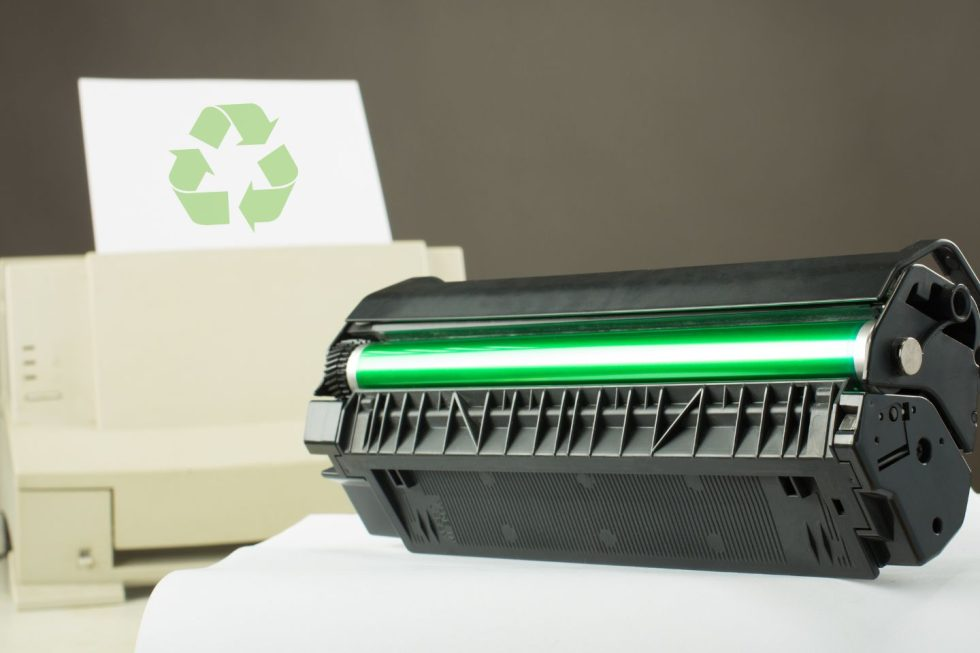
When it comes to managing printing costs and maintaining productivity in your home or office, understanding the lifespan of toner cartridges is essential. Unlike their inkjet counterparts, toner cartridges offer distinct advantages in terms of longevity and cost-effectiveness, but their actual lifespan can vary significantly based on several factors. This comprehensive guide explores everything you need to know about toner cartridge longevity, helping you make informed decisions about your printing needs.
Understanding Toner Cartridge Page Yield
The primary metric for measuring how long a toner cartridge lasts is its page yield, which refers to the number of pages a cartridge can print before it needs replacement. Manufacturers typically rate toner cartridges using a standardized test developed by the International Organization for Standardization (ISO). These ISO standards, specifically ISO/IEC 19752 for monochrome cartridges and ISO/IEC 19798 for color cartridges, provide a consistent baseline for comparing different products.
Under these testing conditions, manufacturers print pages with approximately five percent coverage, which means that five percent of the page is covered with text or images. This has become the industry standard benchmark, though it's worth noting that real-world usage often differs significantly from this controlled environment.
Typical Toner Cartridge Lifespans
Toner cartridges come in various capacities, and understanding these categories helps set realistic expectations for replacement schedules.
Standard Capacity Cartridges
Standard capacity toner cartridges typically yield between 1,500 and 3,000 pages for black toner and slightly less for color cartridges, usually ranging from 1,000 to 2,500 pages. These cartridges are often included with new printers or sold as budget-friendly options. For light users who print occasionally, a standard capacity cartridge might last several months to over a year.
High Yield Cartridges
High yield or XL cartridges significantly extend the time between replacements. These cartridges can produce anywhere from 5,000 to 10,000 pages for black toner and 3,000 to 7,000 pages for color variants. While they cost more upfront, they offer better value per page and reduce the frequency of cartridge changes. For moderate to heavy users, high yield cartridges can last anywhere from six months to over a year, depending on usage patterns.
Extra High Yield Cartridges
Some manufacturers offer extra high yield cartridges designed for high-volume printing environments. These can produce 20,000 pages or more before needing replacement. In busy office settings with multiple users, even these impressive yields might only translate to a few months of use, but they provide excellent cost efficiency and minimal downtime.
Factors Affecting Toner Cartridge Longevity
While manufacturer ratings provide a useful starting point, several variables influence how long your toner cartridge will actually last in practice.
Print Coverage Percentage
The amount of toner used per page dramatically affects cartridge lifespan. The standard five percent coverage used in manufacturer testing represents typical text documents with moderate formatting. However, printing graphics, images, or documents with heavy color backgrounds can consume significantly more toner. A page with 20 percent coverage will use roughly four times as much toner as the baseline, reducing your effective page yield proportionally.
Documents with photos might have 40 to 60 percent coverage or more, drastically reducing the number of pages you can print from a single cartridge. Conversely, printing simple text documents with minimal formatting might actually extend your page yield beyond the manufacturer's estimate.
Print Quality Settings
The quality settings you choose for each print job affect toner consumption. Draft or economy mode uses less toner per page, potentially extending cartridge life by 20 to 30 percent. However, this comes at the cost of lighter, less crisp output. Standard or high-quality settings use more toner to produce sharper, more professional-looking documents. If print quality isn't critical for certain documents, using economy mode can significantly extend cartridge longevity.
Environmental Conditions
Temperature and humidity play often-overlooked roles in toner cartridge performance. Toner cartridges perform best in moderate conditions, typically between 50 and 80 degrees Fahrenheit with 20 to 80 percent humidity. Extreme temperatures can cause toner to clump or become less responsive, potentially leading to print quality issues and inefficient toner usage. Very dry conditions may cause static electricity problems, while excessive humidity can cause toner to absorb moisture, affecting its flow characteristics.
Printer Maintenance and Usage Patterns
How you maintain and use your printer significantly impacts toner efficiency. Regular cleaning of the printer's interior, particularly the drum and transfer mechanisms, ensures optimal toner transfer to paper. Poor maintenance can lead to wasted toner and reduced print quality.
Frequent short print runs can actually be less efficient than longer ones. Each time the printer warms up, it uses a small amount of toner in its initialization process. If you regularly print just one or two pages at a time, these startup cycles can consume a noticeable amount of toner over time. Consolidating print jobs when possible can help maximize cartridge life.
Shelf Life Considerations
Beyond page yield, toner cartridges also have a shelf life to consider. Unopened toner cartridges stored properly can last two to three years before the toner inside begins to degrade. Once installed in a printer, even if not actively used, cartridges should typically be used within six to twelve months for optimal performance.
Proper storage conditions are crucial for maintaining toner quality. Cartridges should be kept in their original packaging in a cool, dry place away from direct sunlight. Extreme temperature fluctuations can cause the toner powder to clump or separate, reducing print quality and potentially damaging printer components.
Maximizing Your Toner Cartridge Life
Several strategies can help you get the most from each toner cartridge while maintaining acceptable print quality.
First, adjust your default print settings to economy or draft mode for internal documents that don't require presentation quality. Reserve higher quality settings for client-facing materials and important documents. This simple change can extend cartridge life by 20 to 30 percent without requiring any other modifications to your workflow.
Second, consider using print preview before sending jobs to the printer. This helps you catch formatting errors and unnecessary pages before consuming toner. Eliminating accidental duplicate prints and unnecessary graphics can add up to significant savings over time.
Third, keep your printer's firmware updated. Manufacturers sometimes release updates that optimize toner usage and improve print efficiency. Check your printer manufacturer's website periodically for firmware updates and installation instructions.
Finally, when toner runs low, many printers allow you to continue printing by gently shaking the cartridge to redistribute remaining toner. While this won't work indefinitely, it can buy you time to order a replacement without interrupting urgent print jobs.
Cost Considerations and Value Analysis
When evaluating toner cartridge longevity, it's essential to consider cost per page rather than just upfront cartridge price. High yield cartridges typically offer the best value for regular users. For example, a standard cartridge might cost fifty dollars and print 2,000 pages, resulting in a cost per page of 2.5 cents. A high yield cartridge might cost ninety dollars but print 6,000 pages, reducing the cost per page to 1.5 cents—a 40 percent savings per page.
For businesses and heavy users, this difference compounds quickly. Printing 10,000 pages annually with standard cartridges at 2.5 cents per page costs $250 in toner. Using high yield cartridges at 1.5 cents per page reduces that cost to $150, saving $100 annually on toner alone.
Signs Your Toner Cartridge Needs Replacement
Recognizing when a toner cartridge is nearing the end of its life helps you plan replacements and avoid running out during critical printing tasks. Common signs include faded or light printing, where text and images appear washed out despite normal printer settings. Streaks or lines running through printed pages often indicate low toner levels or uneven distribution.
Most modern printers include software that monitors toner levels and alerts you when replacement is necessary. However, these estimates can sometimes be conservative, and you may be able to continue printing for a while after receiving low toner warnings.
Conclusion
Toner cartridge longevity varies widely based on cartridge capacity, print coverage, quality settings, and usage patterns. Standard cartridges typically last 1,500 to 3,000 pages, high yield options extend this to 5,000 to 10,000 pages, and extra high yield cartridges can produce 20,000 pages or more. For the average user printing 200 to 300 pages monthly, a standard cartridge might last six to twelve months, while high yield options could last well over a year.
By understanding these variables and implementing strategies to maximize efficiency, you can reduce printing costs and minimize the inconvenience of frequent cartridge replacements. Whether you're managing a home office or a corporate print fleet, making informed decisions about toner cartridges contributes to both cost savings and operational efficiency. Choose cartridge capacities that align with your printing volume, maintain your printer properly, and adjust print settings appropriately to get the most value from each toner cartridge investment.