Recycling ink cartridges transforms everyday printing waste into reusable materials that protect the environment and reduce long-term costs. Ink cartridges are small but complex printer components made from plastic, ink chemicals, and electronic parts that can cause lasting environmental harm when discarded incorrectly. By recycling cartridges responsibly, households and businesses reduce landfill waste, cut carbon emissions, and support a circular printing economy that aligns with Deal Just Deal’s promise to help customers pay less for more—more value, more efficiency, and less waste.

What Are Ink Cartridges Made Of and Why They Matter
Ink cartridges store and deliver ink for printers used in homes, offices, and schools. While they appear simple, their internal structure explains why responsible recycling matters.
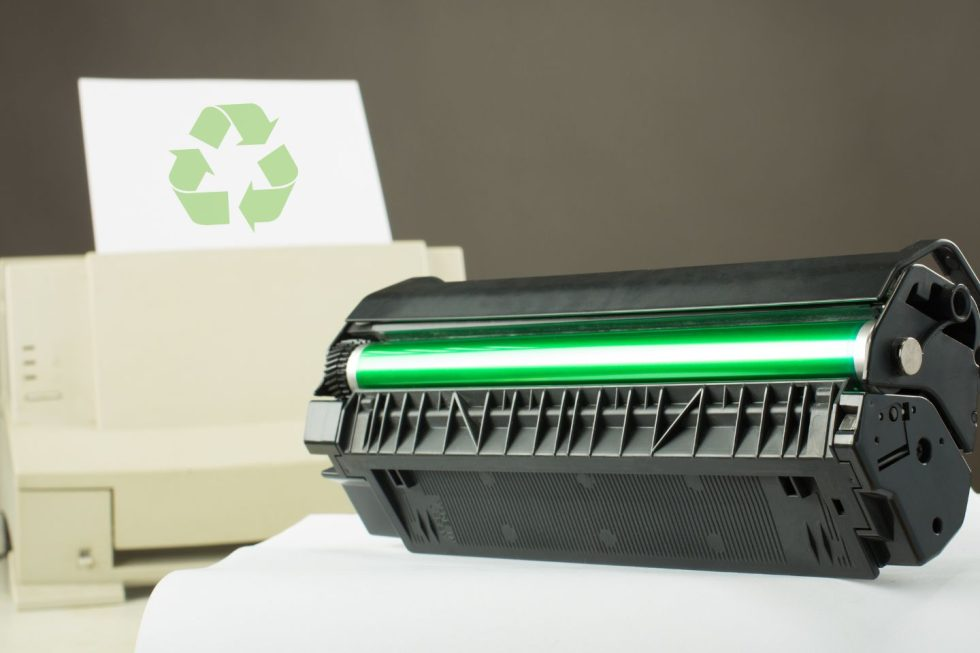
Most cartridges contain a hard plastic shell, an ink reservoir or sponge, residual liquid ink, and a microchip that communicates ink levels to the printer. Manufacturers design these plastics for durability, not biodegradability, which means a discarded cartridge can take hundreds of years to break down. Residual ink often contains chemical pigments that can contaminate soil and water, while the embedded chip adds electronic waste concerns.
Environmental agencies estimate that millions of cartridges end up in landfills each year. Understanding what cartridges are made of clarifies why recycling is essential and prepares readers to take informed action.

What Are Ink Cartridges Made Of and Why They Matter
Can You Recycle Ink Cartridges?
Yes, ink cartridges are recyclable when handled through proper channels. Recycling works because specialized programs can safely separate plastics, metals, electronics, and ink residue for reuse or treatment.
Manufacturers such as HP, Canon, and Epson operate cartridge return programs that reclaim materials for remanufacturing. Major retailers like Staples and Best Buy also collect cartridges for certified recycling partners.
From a sustainability perspective, every recycled cartridge reduces demand for virgin plastic and lowers emissions from raw material extraction. With recyclability confirmed, the next step is understanding how to recycle cartridges correctly.
How to Recycle Ink Cartridges at Home or Office (Step-by-Step)
Recycling ink cartridges is straightforward when approached systematically. A simple process prevents leaks, contamination, or rejected shipments.
Step 1 — Collect and Sort Used Cartridges
Households and offices should store empty cartridges in a dedicated container. Sorting by brand and model simplifies recycling, as many programs only accept original manufacturer cartridges.
Step 2 — Check Manufacturer or Retailer Program
Users should verify eligibility through manufacturer websites or retailer recycling desks. Programs like HP Planet Partners or Canon Recycling list accepted models and quantities.
Step 3 — Prepare for Drop-off or Mailing
Cartridges should be sealed in plastic bags or original packaging to prevent ink leaks. Padding protects cartridges during shipping and avoids program rejection.
Step 4 — Track or Confirm Recycling Completion
Mail-in programs often provide prepaid labels with tracking. Offices may document returns to meet sustainability or compliance goals.
High-yield cartridges can simplify this entire process by reducing how often replacements are needed. Offices that rely on high-capacity color toner cartridges for frequent printing, such as the HP 218X cyan, magenta, and yellow toner pack, generate fewer empty units over time, making collection and recycling more efficient.

How to Recycle Ink Cartridges at Home or Office (Step-by-Step)
Where to Recycle Printer Cartridges Near You
Recycling options vary in convenience and environmental impact. Understanding each helps users choose the best solution.
Retail Drop-Off Programs
Retailers such as Staples, Office Depot, and Best Buy offer free, walk-in cartridge drop-off services that suit individual users.
Manufacturer Return Programs
Printer brands like HP, Canon, and Epson provide prepaid mail-back envelopes or bulk boxes, making them ideal for offices with high print volumes.
Local Recycling Centers & Municipal Programs
Some municipalities accept cartridges during electronic waste collection events. Availability depends on local regulations, so checking city guidelines is essential.
|
Program Type |
Accepted Brands |
Cost |
Convenience |
Environmental Impact |
|
Retail Drop-Off |
Mixed OEM |
Free |
High |
Medium–High |
|
Manufacturer Return |
Brand-specific |
Free |
Medium |
High |
|
Municipal E-Waste |
Varies |
Free/Low |
Low–Medium |
Medium |
With locations identified, it becomes easier to understand responsible disposal practices.
How to Dispose of Ink Cartridges Responsibly
Disposal differs from recycling. Disposal means discarding waste, while recycling recovers materials for reuse. Ink cartridges should never go into household trash, be burned, or be crushed.
Responsible handling includes storing empties upright, sealing ink leaks, and following local environmental regulations. Many regions classify ink residue as controlled waste, making certified recycling the safest option. When recycling access is limited, consumers should seek approved e-waste handlers rather than landfill disposal.

How to Dispose of Ink Cartridges Responsibly
What to Do with Old or Empty Ink Cartridges (Creative Uses)
Cartridges can serve productive second lives before recycling.
Refill and reuse options extend cartridge lifespan through professional refilling services.
Donation or resale programs allow compatible cartridges to support schools or nonprofits.
DIY repurposing ideas turn empty shells into small storage containers, craft materials, or classroom tools for teaching sustainability concepts.
These alternatives reduce waste while maximizing value, which leads directly to understanding the broader environmental benefits.
Environmental Benefits of Recycling Printer Cartridges
Recycling ink cartridges delivers measurable environmental gains. Studies from environmental agencies show that remanufacturing a cartridge uses significantly less energy and plastic than producing a new one.
Using long-life cartridges further amplifies these benefits because fewer units are manufactured and discarded. For example, Canon high-yield toner sets designed for recycling programs, such as the Canon 069 high-yield toner cartridge set, support manufacturer take-back initiatives while reducing plastic use and carbon emissions per printed page.
This circular printing economy shows how small recycling habits scale into meaningful environmental impact.
Common Mistakes When Recycling Printer Cartridges
Many recycling efforts fail due to avoidable mistakes. Mixing incompatible brands, shipping leaking cartridges, or using unverified third-party programs can result in improper disposal. Ignoring data privacy is another oversight, as some cartridges contain chips that store usage information. Avoiding these errors ensures recycling efforts achieve their intended environmental benefit.
Choosing Eco-Friendly Printing Accessories
Sustainable printing starts with smarter purchasing decisions. Eco-conscious buyers choose high-yield or remanufactured toner cartridges that last longer and reduce replacement frequency. Products such as high-yield HP toner cartridges for office printers lower packaging waste while maintaining consistent output quality.
Deal Just Deal supports this approach by offering affordable, eco-aligned options like the
HP 210X & 210A toner cartridge pack, which balances performance, longevity, and environmental responsibility—helping customers save money while printing sustainably.
Summary — From Waste to Worth: Making Printing Sustainable
Recycling ink cartridges turns routine printing waste into an opportunity for sustainability. By understanding cartridge materials, following proper recycling steps, choosing high-yield accessories, and avoiding common mistakes, consumers reduce environmental harm without sacrificing convenience or affordability. Responsible printing habits close the loop between use and reuse, proving that sustainability and value can coexist.
FAQs
Where can I recycle ink cartridges for free?
Most major retailers and manufacturer return programs accept cartridges at no cost.
Can I refill ink cartridges myself?
Some models allow refilling, but professional services deliver more reliable print quality.
Are toner cartridges recycled the same way as ink cartridges?
Yes, though toner cartridges require special handling due to fine powder residue.
How do I mail cartridges for recycling?
Use manufacturer-provided prepaid envelopes or padded packaging to prevent leaks.
What happens after a cartridge is recycled?
Materials are separated, cleaned, and reused in new cartridges or other products.